Future climate change will look and feel different depending on where you live. For some, winters will be warmer and for others, natural disasters like floods or wildfires will be intensified with devastating impacts. Law makers around the world may seek solutions to address the causes of climate change, but climate researchers worry these efforts may not be enough.
Enter solar climate intervention (SCI), a burgeoning research field that Danielle Touma, a University of Texas Institute for Geophysics (UTIG) assistant research professor, expects to become more prominent in the near future.
SCI is also known as solar geoengineering. It combines climate science, geophysics and engineering to explore how humans can to lessen the impacts of climate change by changing how solar radiation interacts with the planet.
“There have been some big efforts by the National Academies of Science and AGU (American Geophysical Union) to put together reports about the need to do this research and why,” Touma said. “A few people in the Jackson School do this research already, so bringing scientists together may create new areas of research that could come from other scientists learning about this topic.”
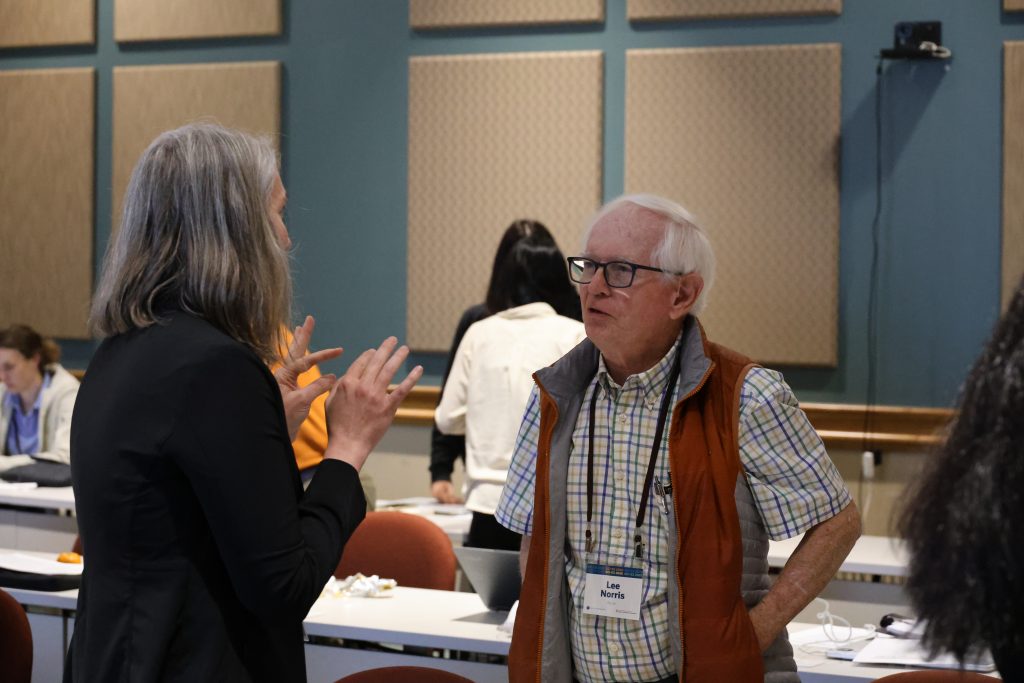
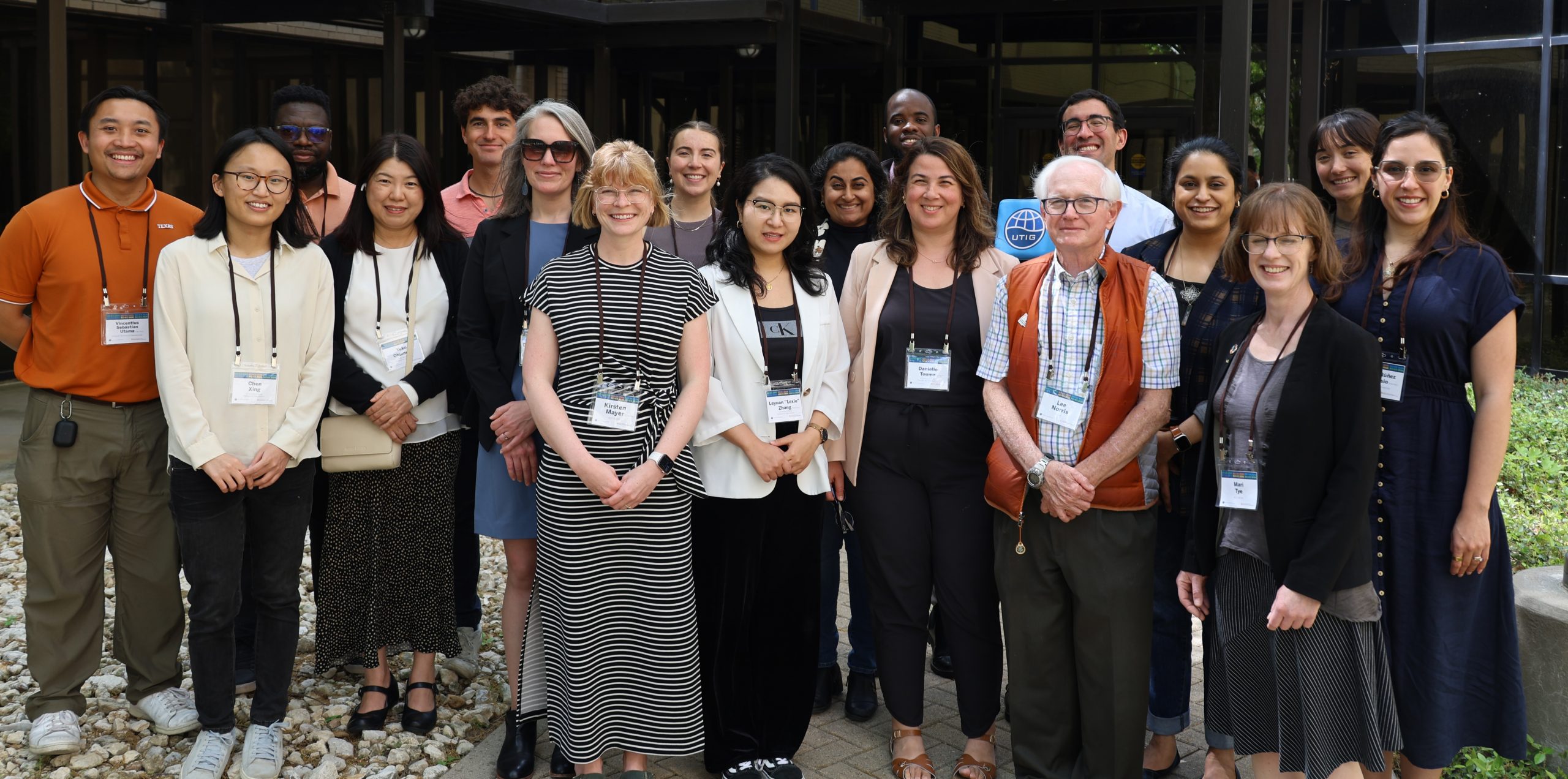
Touma recently gathered experts from around the country at UTIG for the Solar Climate Intervention Impacts on Extremes (SCI-Ex) Workshop, a two-day event dedicated to bringing experts in SCI governance, research and implementation together to identify opportunities for furthering the field in Texas. The workshop’s organizing committee also included Geeta Persad, assistant professor in the Department of Earth and Planetary Sciences at the Jackson School, and Leyuan (Lexie) Zhang, a postdoctoral fellow at UTIG.
The workshop marks a big step towards advancing SCI research in the state.
Two of the main strategies discussed at this workshop were stratospheric aerosol injection and marine cloud brightening.
Stratospheric aerosol injection is the intentional introduction of reflective aerosol particles high up in the atmosphere. Think of volcanoes and the plumes of sulfates launched into the air when they erupt. Large-scale, even global, cooling effects have been observed after eruptions. This strategy aims to mimic the effects of the reflective particles without the destructive fallout.
Marine cloud brightening occurs when sea water droplets are sprayed into clouds already present in the atmosphere, making clouds brighter and longer lasting. In turn, the areas beneath these clouds are cooled due to the reduced amount of direct sunlight.
While the climate science aspects of SCI were main topics of discussion at the workshop, attendees also had the opportunity to reflect on how to conduct and implement their research in a responsible way.
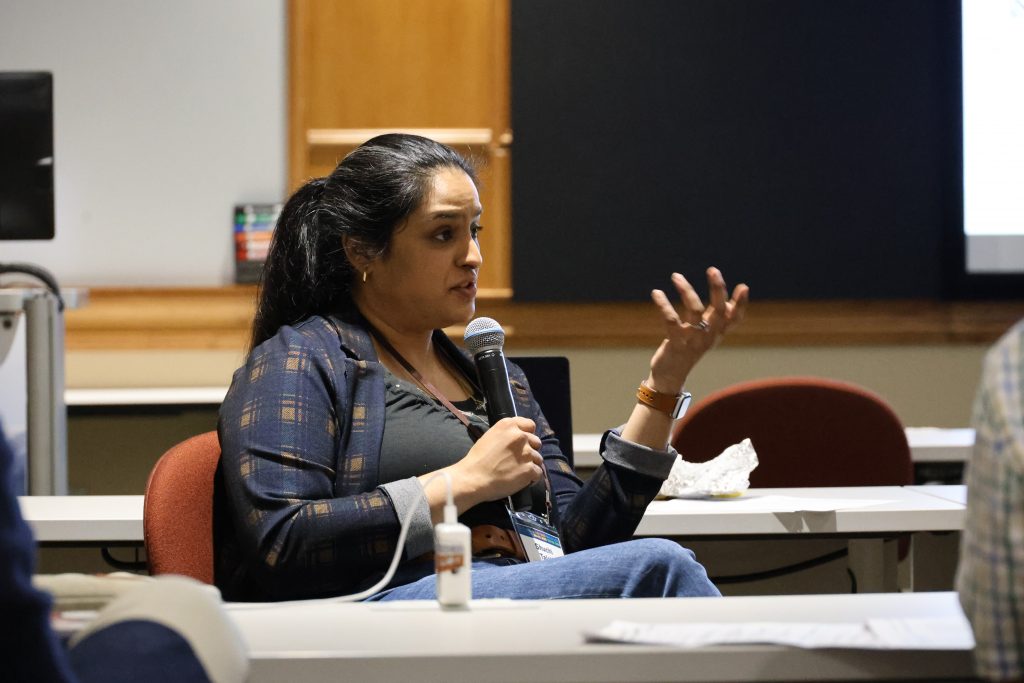
“[SCI] has the potential to impact human rights in many ways and it’s important to integrate core principals of justice into the conversations around this research,” said Shuchi Talati, founder and executive director of The Alliance for Just Deliberation on Solar Geoengineering (DSG) .
Talati, who was formerly the Chief of Staff of the Office of Fossil Energy & Carbon Management at the U.S. Department of Energy, was a keynote speaker. She talked about the importance of transparency, accountability, and meaningful public participation when doing SCI research.
Other workshop attendees included members from the National Science Foundation National Center for Atmospheric Research, Ocean Visions, Texas A&M University and more.
“Doing this work now will make it harder for people to act in bad faith with these technologies in the future,” she said.
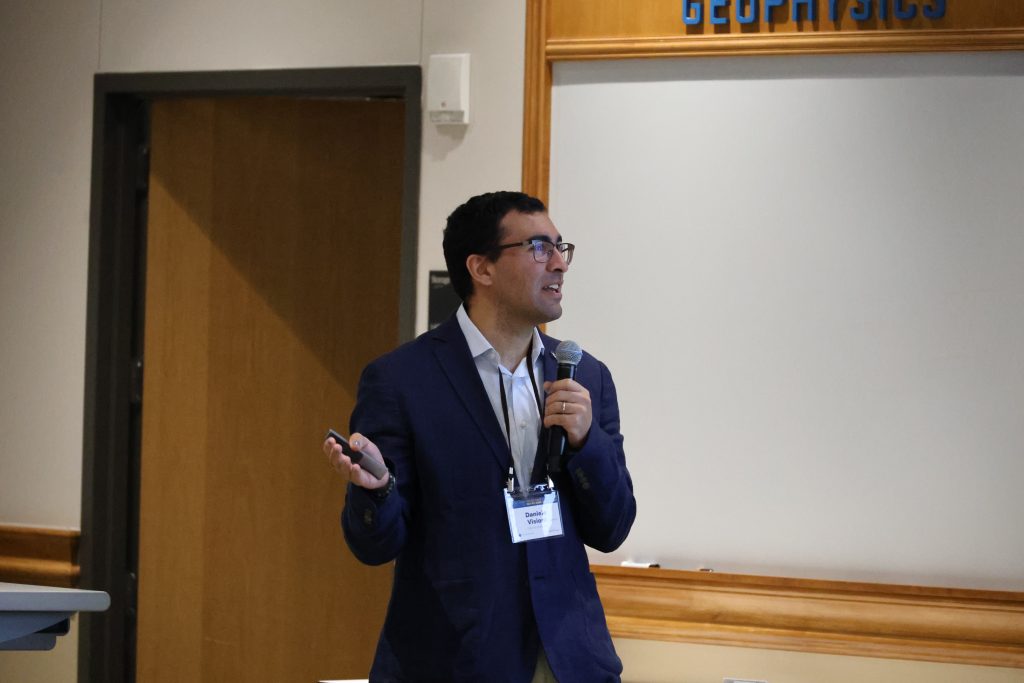
Dr. Daniele Visioni, assistant professor of Earth and Atmospheric Sciences at Cornell University, also joined the workshop as a keynote speaker to share his work with GeoMIP and the Reflective Cloud Hub, free climate research tools that can help model the impacts of SCI to better inform scientists, lawmakers and the general public.
UTIG is making strides to prepare for the future of this field. Chen Xing, who recently joined the institute as a postdoctoral fellow, presented her recent research on modeling solar climate interventions and their effects on the El Niño–Southern Oscillation (ENSO). Xing’s research found that marine cloud brightening over the eastern Pacific Ocean would reduce ENSO variability by 61% and cause climate disruptions across the world. In the same study, Chen’s modeling found that stratospheric aerosol injection had little to no impact on ENSO. Chen said that the drastic difference in effects of these two strategies shows the need for more research in this discipline.
Touma believes UTIG and the Jackson School of Geosciences are well-positioned to be at the forefront of this research in the state and the region. Touma hopes to open future workshops to UT more broadly and sees a place for experts from engineering and political science fields to contribute to advancing the field here.
“Through our workshop discussions, our goal is to develop a white paper or perspective piece that highlights the key research areas that need to be advanced to put us in a strong position to better understand how extreme climate events could change under SCI,” said Touma. “I want to build on the research that has already been done and bring it in a more coordinated way to UT Austin.”