
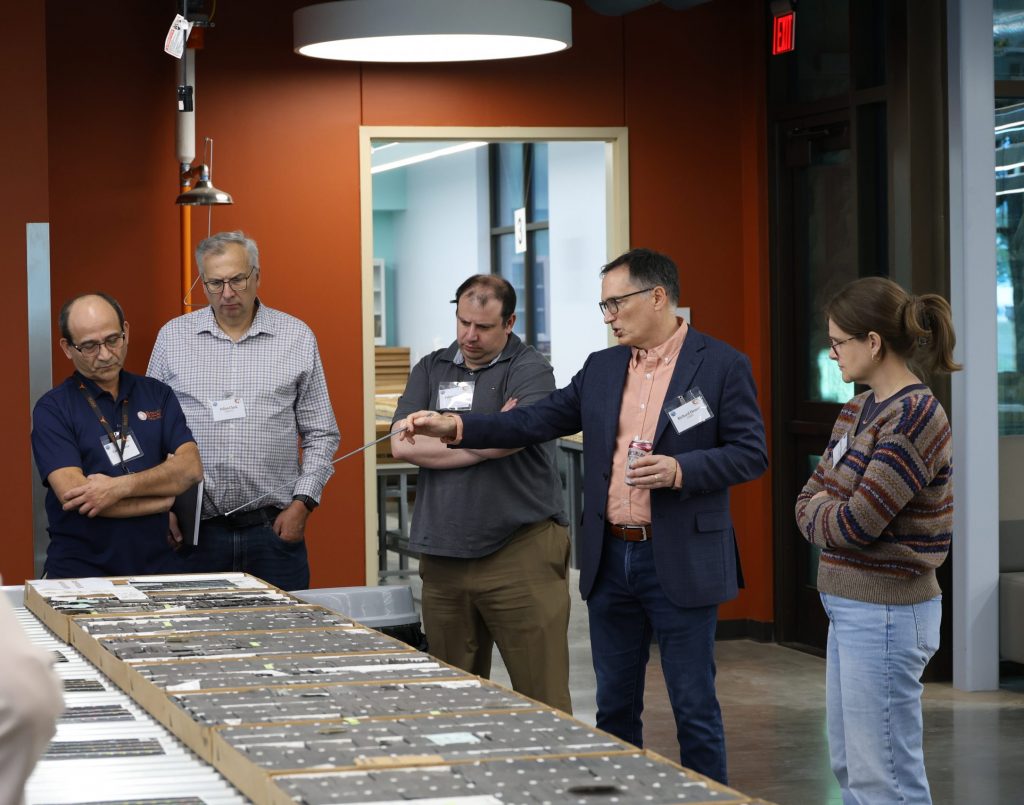
This year marks the beginning of Phase 16 of the Gulf Basin Depositional Synthesis (GBDS) research project. This phase of GBDS’s mission will focus on two broad research themes: the stratigraphic evolution of the Gulf Basin and understanding emerging energies and critical minerals in the Gulf.
GBDS will also continue its long-time work of producing and maintaining a detailed, comprehensive, and integrated synthesis of the depositional history of the entire Gulf basin.
Founded at the University of Texas Institute for Geophysics (UTIG), GBDS begins this new phase with its annual Industrial Associates Program meeting held on January 14 and with new program director Richard Denne at the helm, who joined GBDS last year.
“The Gulf Basin Depositional Synthesis program is a unique way for members of the energy industry to utilize our database and research for their activities,” said Denne. “Members of the energy industry often fund a consortium to gain access to students and guide research, but it’s not often that they directly utilize the research or that the consortium provides a database.”
Denne’s decades of experience in both education and industry shapes his vision for the program’s future.
On the education front, Denne plans to grow the number of graduate students conducting research with GBDS and expand opportunities for collaboration with researchers inside and outside of the Jackson School of Geosciences.
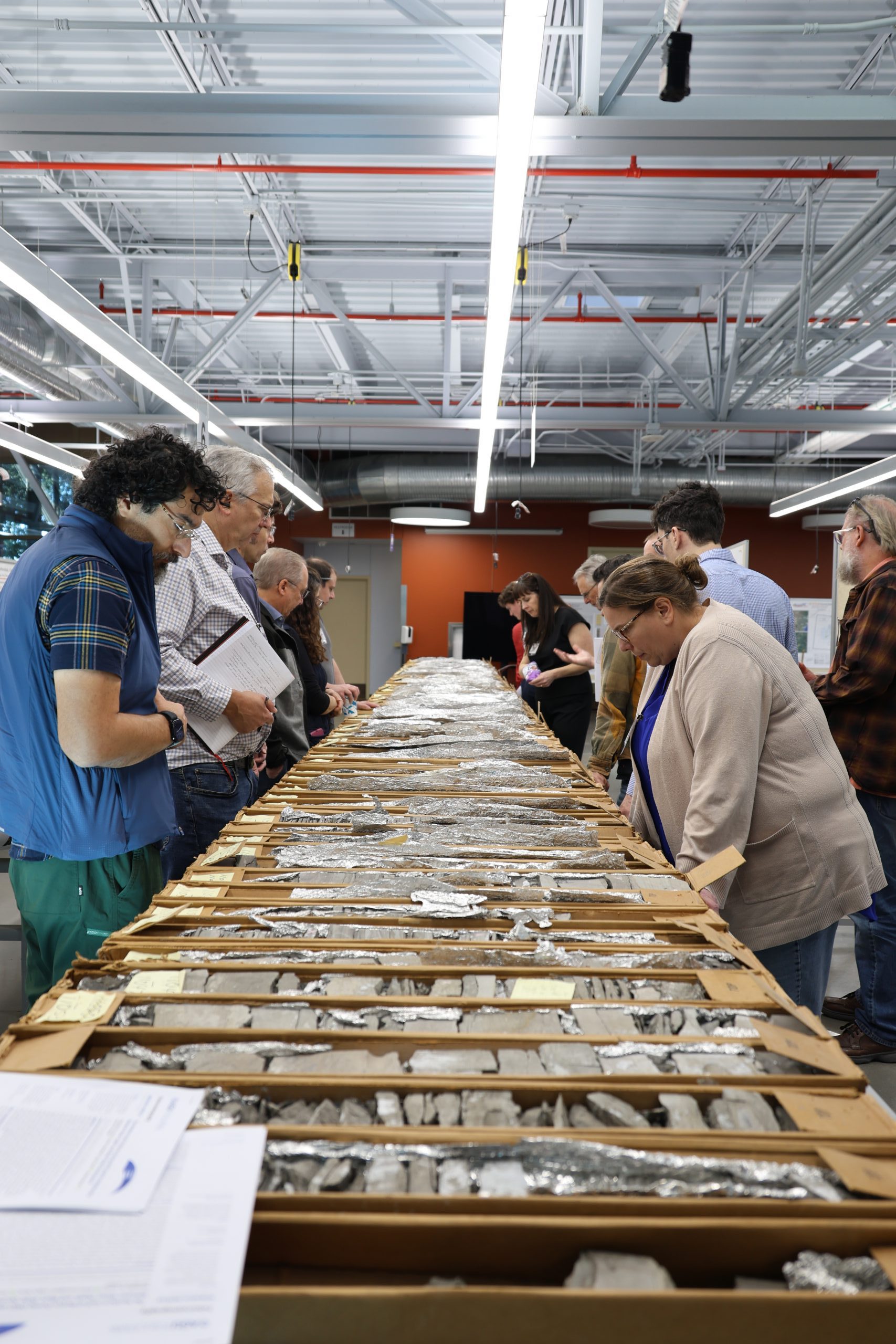
Photo: UTIG
GBDS employs undergraduate students and helps support graduate students by providing them access to industry software to solve subsurface problems and opportunities to connect with industry professionals by presenting their research at the annual meeting.
On the industry front, Denne said that the ongoing energy transition is opening up opportunities in critical minerals, geothermal, carbon storage, and hydrogen storage, and that GBDS plans to remain at the forefront of research in these areas.
Denne said that more investment in researching shales, carbonates and the onshore portions of the Gulf Basin will keep GBDS a leader in providing expertise to the energy industry.
“We’ll continue our experience in specialized regional geologic studies of the Gulf Basin and populating our robust GIS database for industry partners to access,” said Denne. “GBDS will remain a unique, beneficial program in both the energy industry and education field.”
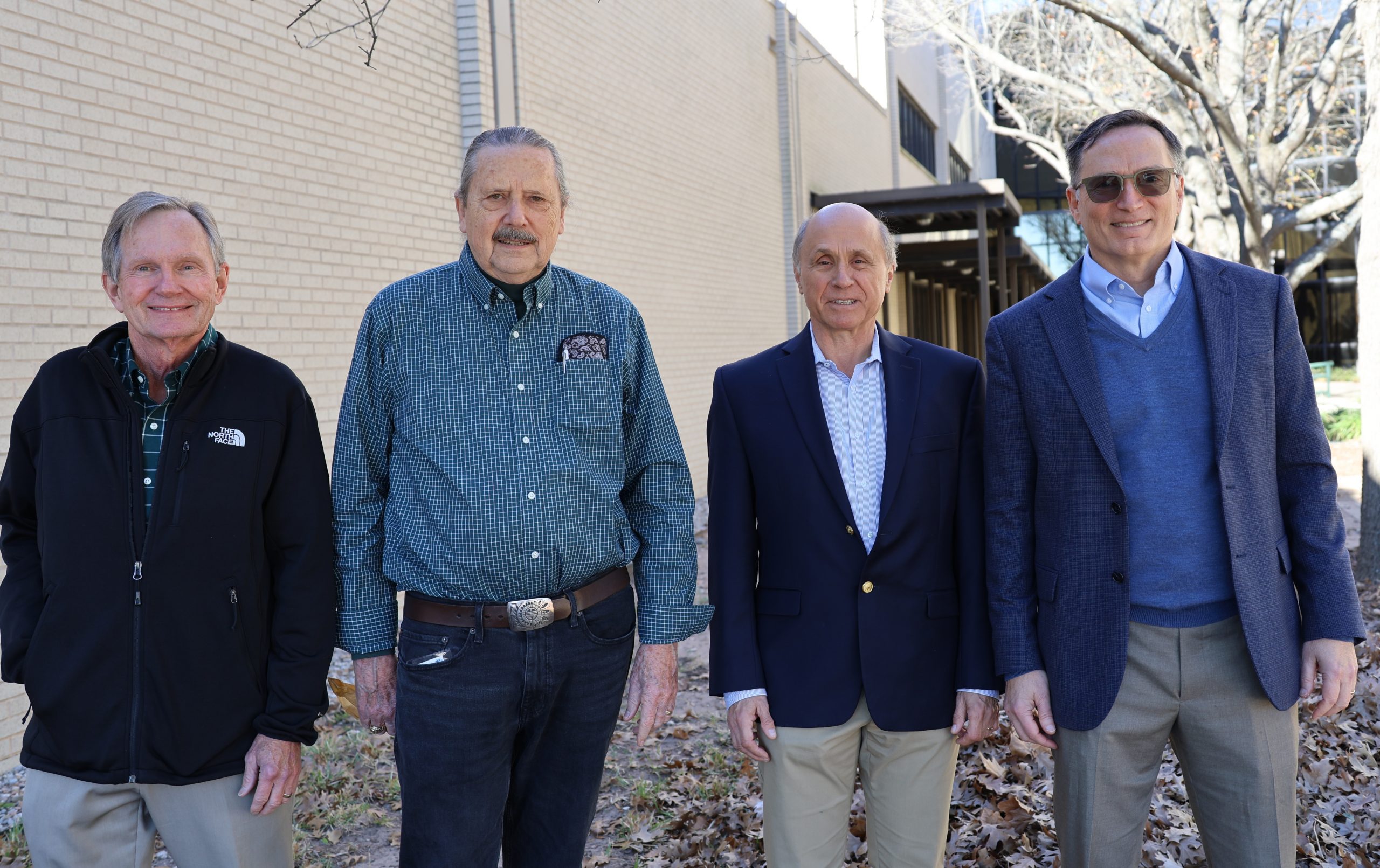
Denne has already begun working towards his vision for GBDS through several new and upcoming projects. GBDS will launch studies into Mesozoic depositional systems to estimate how much sediment these systems supplied to deepwater and will aid in determining targets for carbon storage. The program will also take a comprehensive look at hydrocarbon source rocks in the entire Gulf Basin, a feat which has not been completed before.
GBDS is also looking to collaborate with the Jackon School’s Department of Earth and Planetary Studies to determine the provenance of deep-water Miocene sands in the Gulf to address a resurgence in interest due to newly developed seismic acquisition technology.
“The Gulf Basin Depositional Synthesis research project is the longest-standing industry consortium in the Jackson School, and a true gem within UTIG. GBDS’ understanding of the value of bringing students and industry together exemplifies the collaboration needed to solve relevant problems and ultimately increase the impact of our research,” Demian Saffer, director & Scott Petty Jr. Endowed Chair of UTIG said.
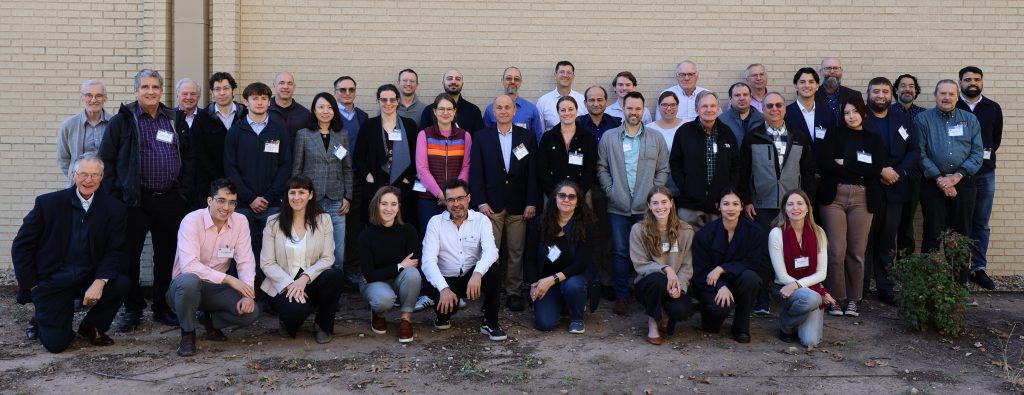
Photo: UTIG