
Fall Design Challenge Applications Now Open
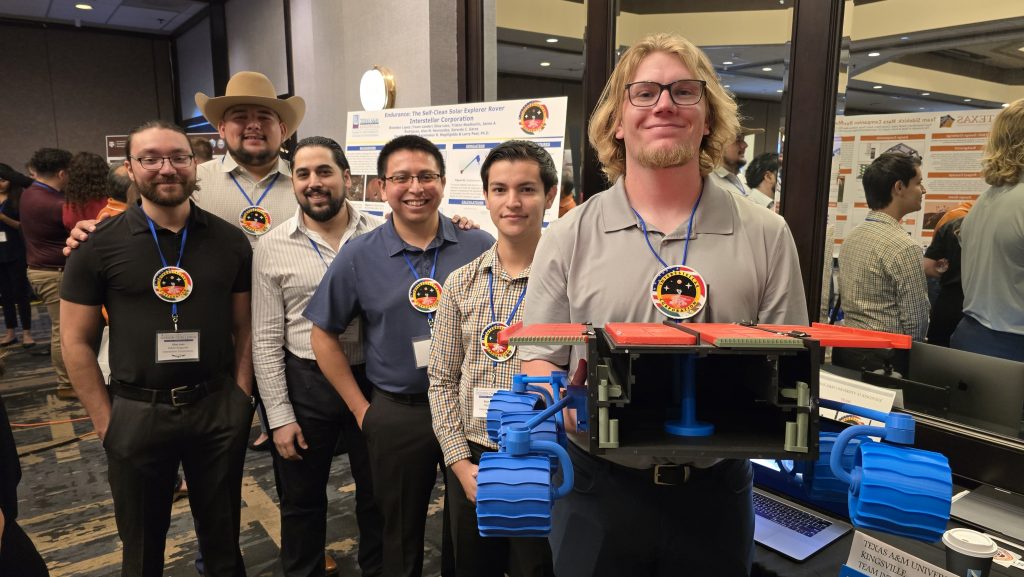
NASA Texas Space Grant’s Fall 2026 Design Challenge applications are now live!
Design Challenge is a Texas-wide engineering and research competition that pairs students with mentors from NASA’s Johnson Space Center to propose, design, and create solutions for NASA research objectives. Students are able to choose from topics curated by Johnson Space Center Mentors and NASA Student Challenges. The Fall 2026 program marks the debut of our new NASA Psyche capstone project topics and our first industry partner topic with Cislune.
Applications for Design Challenge are due September 8th.
NASA Psyche Inspired Internship Applications Close Soon
NASA’s Psyche mission invites full-time, enrolled undergraduate students majoring in any subject at universities and community colleges in the U.S. and its territories to apply to become part of this year’s cohort of Psyche Inspired interns. Psyche Inspired brings undergraduate students together to share the excitement, innovation, and scientific and engineering content of NASA’s Psyche mission with the public through artistic and creative works.
Applications are due August 28.
Virtual Event: NASA’s Career Technical Education Day at Johnson Space Center
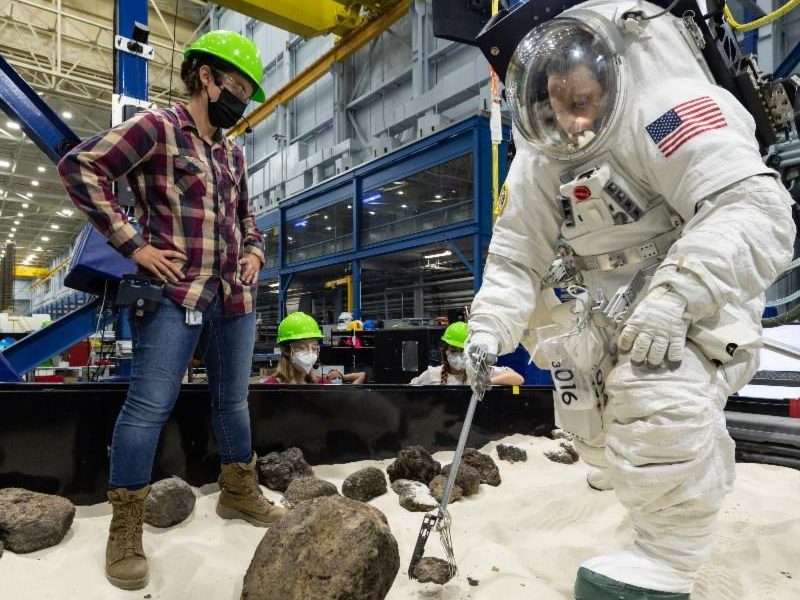
Join experts from NASA’s Johnson Space Center for a live virtual session designed to introduce students to skilled technical workforce career pathways in robotics and space exploration.
Attendees will hear directly from skilled trades experts as they share their career journeys, describe their typical workday, and highlight the diverse pathways available to students interested in technical careers at NASA.
Registration for this event closes on August 19.
NASA Pathways and Early Careers Fall Virtual Event
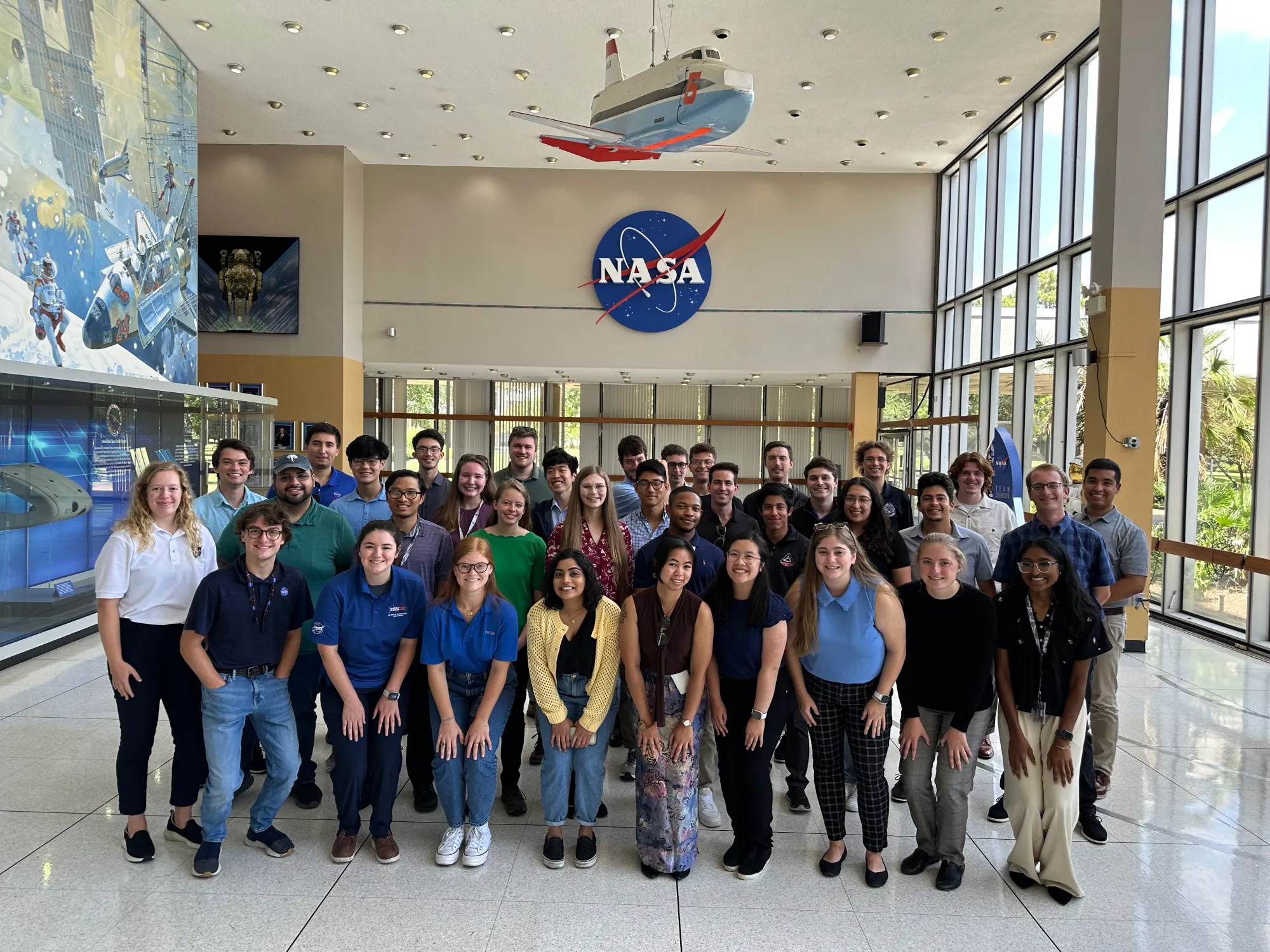
Join the NASA Pathways team for a virtual information session that will directly connect participants with representatives from NASA Pathways, Early Careers, and Office of STEM Engagement representatives.
Participants will learn about opportunities at NASA and gain valuable insights into how to write a resume, prepare for an interview, and meet online application requirements.
This event is open to college sophomores and juniors, seniors planning to attend graduate school, plus current and recent graduates.
Registration closes on August 26th.
Design Challenge Team Soars to 10K Success at NASA ORBIT Competition
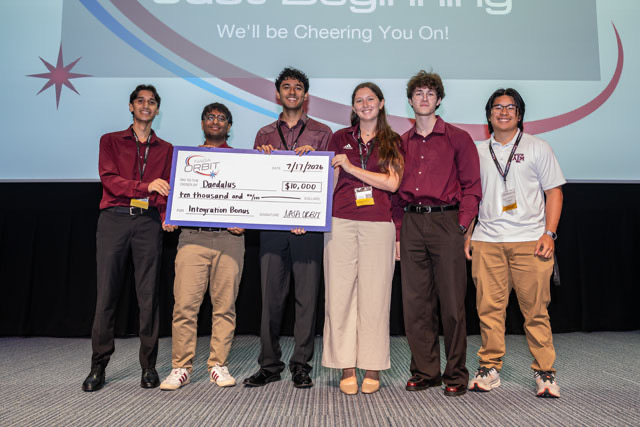
For Team Daedalus, what began as a Texas Space Grant Consortium (TSGC) Design Challenge project grew into a $10,000 award-winning concept recognized at the NASA ORBIT (Opportunities for Research and Brainstorming Innovative Technologies) competition. Their innovative lunar drone design, which uses charged lunar soil as a propulsion source in the Moon’s near-vacuum environment, earned top honors in its category while providing an unforgettable learning experience for a group of mostly first- and second-year engineering students.
At the center of their project was a simple but ambitious question: How can a drone fly on the Moon, where there is virtually no atmosphere?
Team Daedalus answered that challenge by designing a drone that uses lunar regolith – the loose soil covering the Moon’s surface – as its source of propulsion. Rather than pushing against air with propellers, the drone electrically charges regolith particles, accelerates them through an electric field, and ejects them at high speed. As the particles are expelled downward, they generate the upward thrust needed for flight.
The team compares the process to static electricity created when a balloon is rubbed against hair. By harnessing that same principle, the drone could one day support inspection, maintenance, surveying, and other operations around future lunar infrastructure.
Daedalus’ path began with Design Challenge, where the team developed not only its technical concept but also the professional skills needed to communicate it effectively.
“Design Challenge was our team’s first opportunity to present our research in a professional setting,” the team shared. “The competition challenged us to refine not only our presentation skills, but also our ability to confidently answer technical questions from industry experts.”
While the technical achievement was impressive, the experience proved equally transformative for the students. The team credits Design Challenge with helping strengthen both its engineering process and project management. Feedback from judges encouraged the students to refine their design before advancing to the national stage, while weekly updates, technical reports, presentations, and poster sessions helped prepare them for the expectations of NASA ORBIT.
“It was definitely intimidating to see the incredible projects and ideas presented by other teams,” the students said. “But we love the saying, ‘If you’re the smartest person in the room, you’re in the wrong room.’”
THIS MONTH IN SPACE

AUG 6, 2012
CURIOSITY STICKS THE LANDING
NASA’s Curiosity rover successfully touches down in Gale Crater using its “sky crane” landing system. The rover continues to explore Mars and search for evidence of ancient habitable environments.
AUG 11-13, 2026
PERSEID’S PEAK SEASON
The Perseid meteor shower reaches peak activity each August, producing some of the year’s brightest and most frequent meteors.
AUG 20, 1977
MESSAGE IN A BOTTLE (ROCKET)
Voyager 2 begins its historic journey through the solar system. It remains the only spacecraft to visit Uranus and Neptune and is still sending data from interstellar space.
AUG 24, 2006
PLUTO’S PLOT TWIST
The International Astronomical Union officially reclassifies Pluto as a dwarf planet.