
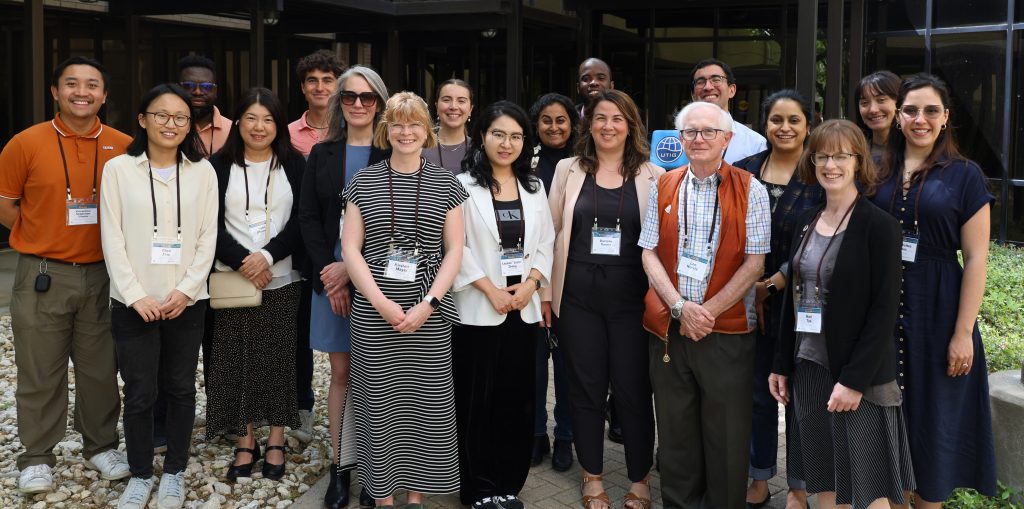
Future climate change will look and feel different depending on where you live. For some, winters will be warmer and for others, natural disasters like floods or wildfires will be intensified with devastating impacts. Law makers around the world may seek solutions to address the causes of climate change, but climate researchers worry these efforts may not be enough. Enter solar climate intervention (SCI), a burgeoning research field that Danielle Touma, a University of Texas Institute… Continue Reading UTIG Researchers Host Workshop on Solar Climate Intervention
UT Geodynamicist Thorsten Becker elected to German Academy of Sciences

Thorsten Becker, a professor at The University of Texas at Austin Jackson School of Geosciences, has been elected a member of the German Academy of Sciences, Leopoldina, one of the oldest and most prestigious academies of science in the world. Becker joins as only one of three geodynamicists to be elected to the organization in its over 400-year history. “It is a great honor to be elected… Continue Reading UT Geodynamicist Thorsten Becker elected to German Academy of Sciences
Scientists Successfully Harvest Chickpeas From ‘Moon Dirt’
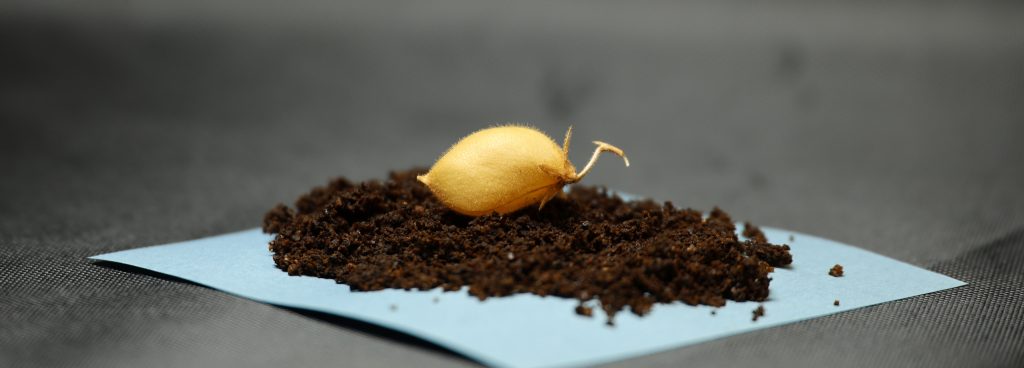
As the U.S. plans to return to the moon with the upcoming Artemis II mission, a question endures: What will future lunar explorers eat? According to new research from The University of Texas at Austin the answer might be chickpeas. Scientists have successfully grown and harvested chickpeas using simulated “moon dirt,” the first instance of this crop produced… Continue Reading Scientists Successfully Harvest Chickpeas From ‘Moon Dirt’
Evidence of ‘lightning-fast’ evolution found after dino-killing asteroid impact
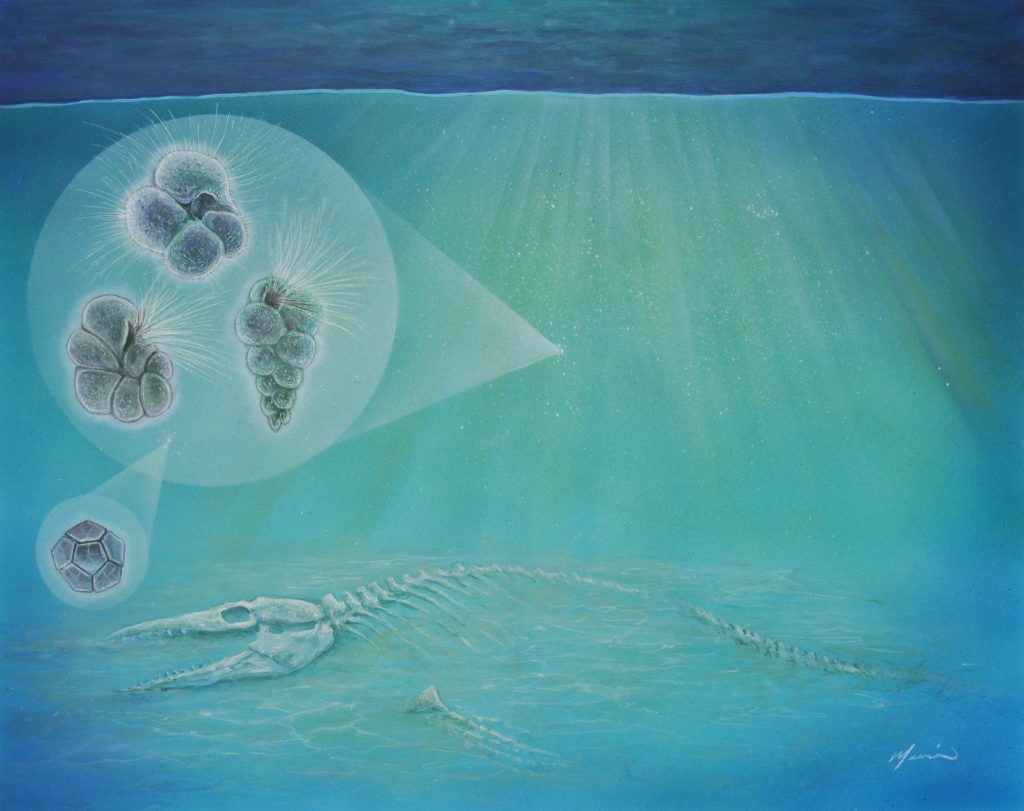
The asteroid that struck the Earth 66 million years ago devastated life across the planet, wiping out the dinosaurs and other organisms in a hail of fire and catastrophic climate change. But new research shows that it also set the stage for life to rebound astonishingly quickly. New species of plankton appeared fewer than 2,000… Continue Reading Evidence of ‘lightning-fast’ evolution found after dino-killing asteroid impact
GBDS Kicks Off a New Era of Gulf Exploration at 2026 Annual Meeting
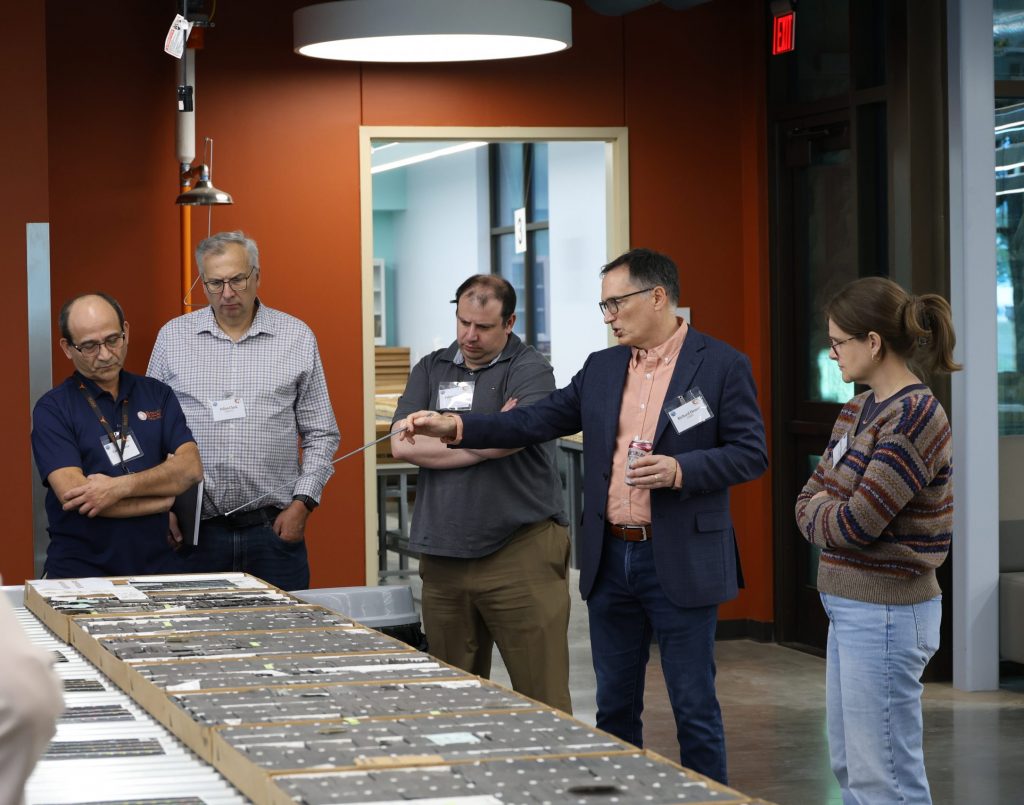
This year marks the beginning of Phase 16 of the Gulf Basin Depositional Synthesis (GBDS) research project. This phase of GBDS’s mission will focus on two broad research themes: the stratigraphic evolution of the Gulf Basin and understanding emerging energies and critical minerals in the Gulf. GBDS will also continue its long-time work of producing and maintaining a detailed, comprehensive, and integrated synthesis of the depositional history of the entire Gulf basin. Founded at the University of… Continue Reading GBDS Kicks Off a New Era of Gulf Exploration at 2026 Annual Meeting
- 1
- 2
- 3
- …
- 65
- Next Page »