
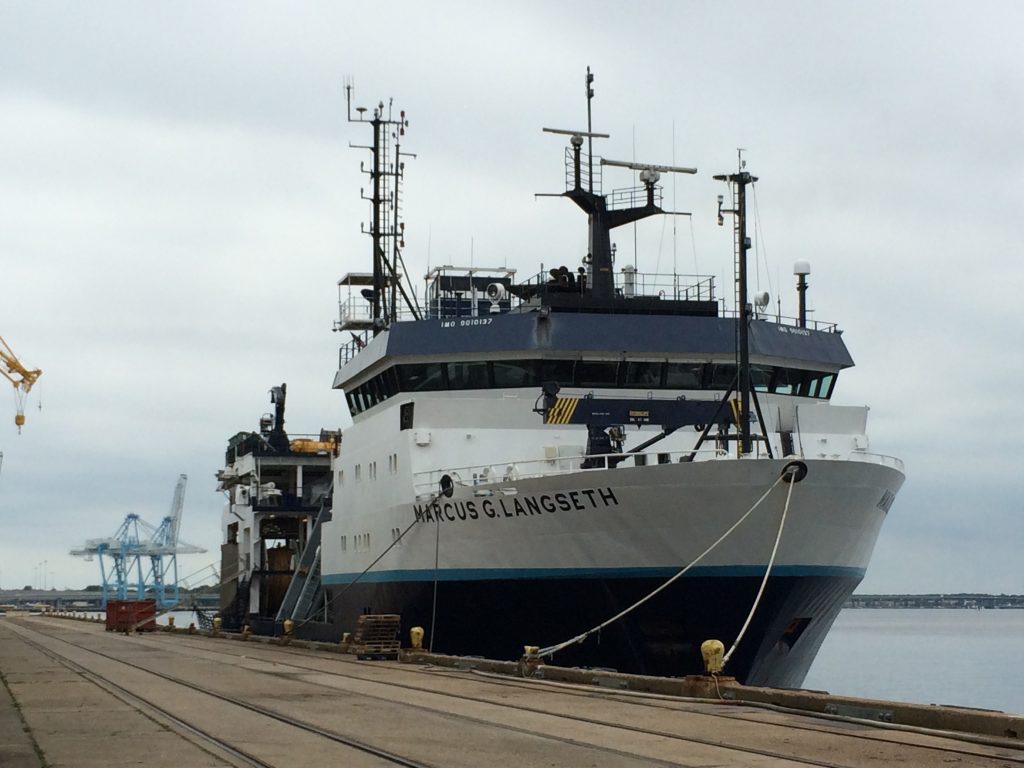
The Triassic Period ended when a gargantuan amount of molten igneous rock called the Central Atlantic Magmatic Province (CAMP) spewed out of the Earth’s mantle and into the Earth’s crust beneath what is now the eastern Appalachian foothills. Millions of years later, the supercontinent Pangea began to rip open, with the east coast of what… Continue Reading The Complicated New Origins of Pangea’s Big Breakup
How Activity in Earth’s Mantle Led the Ancient Ancestors of Elephants, Giraffes, and Humans into Asia and Africa
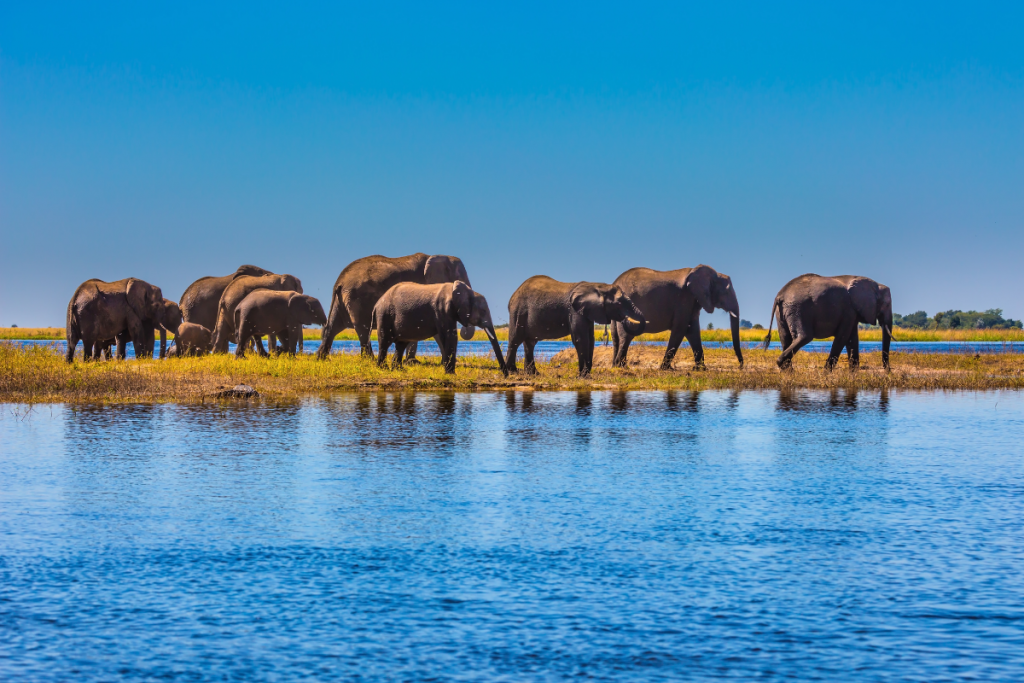
What roils beneath the Earth’s surface may feel a world away, but the activity can help forge land masses that dictate ocean circulation, climate patterns, and even animal activity and evolution. In fact, scientists believe that a plume of hot rocks that burst from the Earth’s mantle millions of years ago could be an important… Continue Reading How Activity in Earth’s Mantle Led the Ancient Ancestors of Elephants, Giraffes, and Humans into Asia and Africa
North America is Dripping from Below, Geoscientists Discover
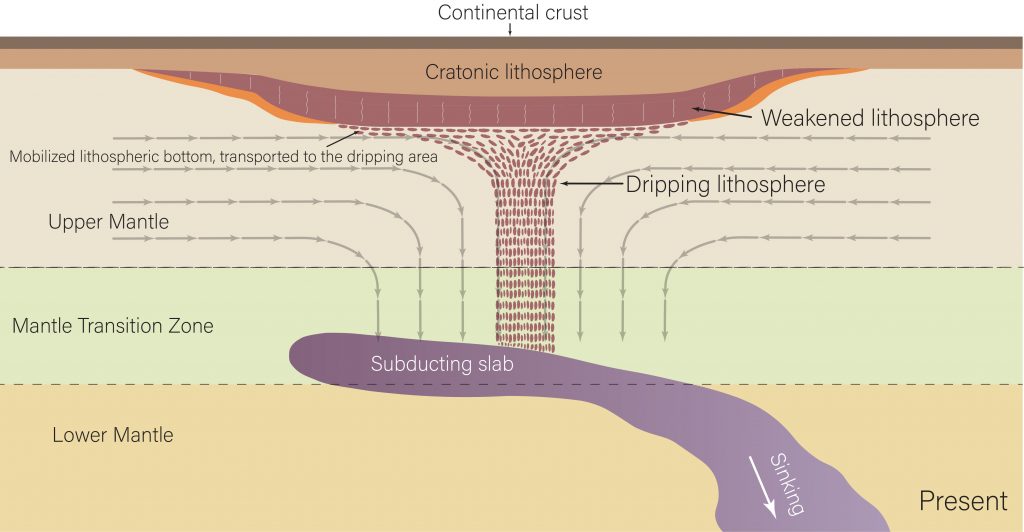
Researchers have discovered that the underside of the North American continent is dripping away in blobs of rock — and that the remnants of a tectonic plate sinking in the Earth’s mantle may be the reason why. A paper published in Nature Geoscience describes the phenomenon, which was discovered at The University of Texas at… Continue Reading North America is Dripping from Below, Geoscientists Discover
Field Blog: Studying the Blake Plateau
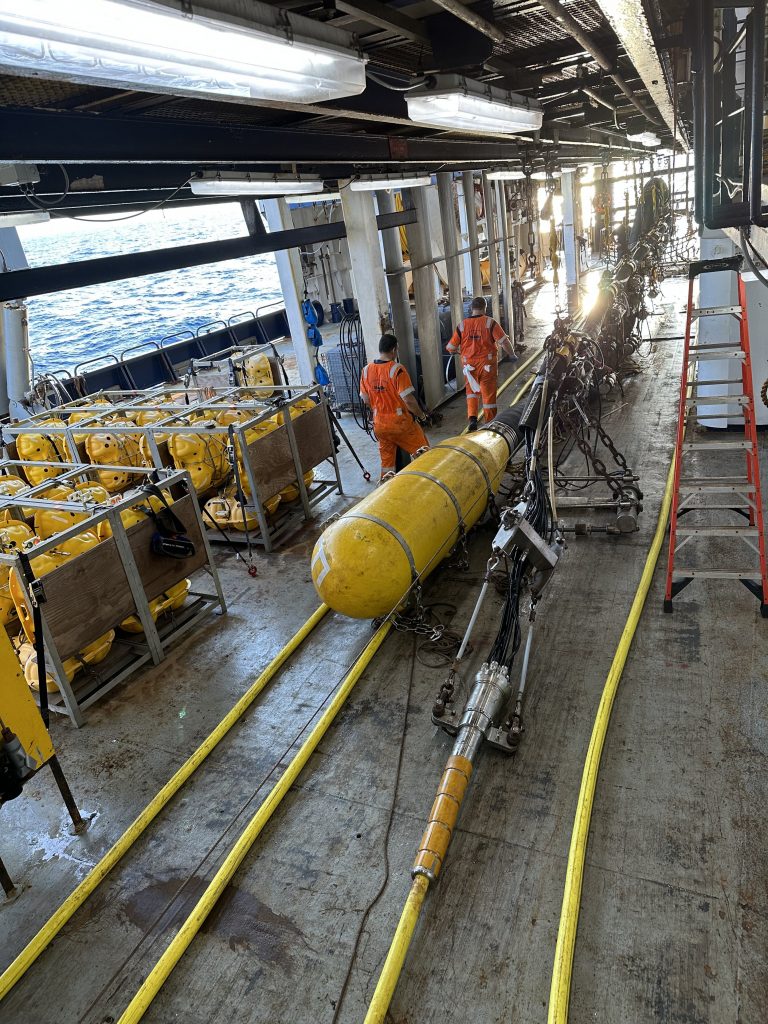
An ocean research cruise led by the University of Texas Institute for Geophysics is off the coast of Florida surveying the tectonics and movement of the crust hundreds of feet beneath the ocean floor. Follow the expedition’s blog as they look for clues to the break-up of Earth’s last supercontinent Pangea, and how that massive event shaped the magmatic activity below the crust today… Continue Reading Field Blog: Studying the Blake Plateau
Study Explores How Tectonic Forces Shape The Andes
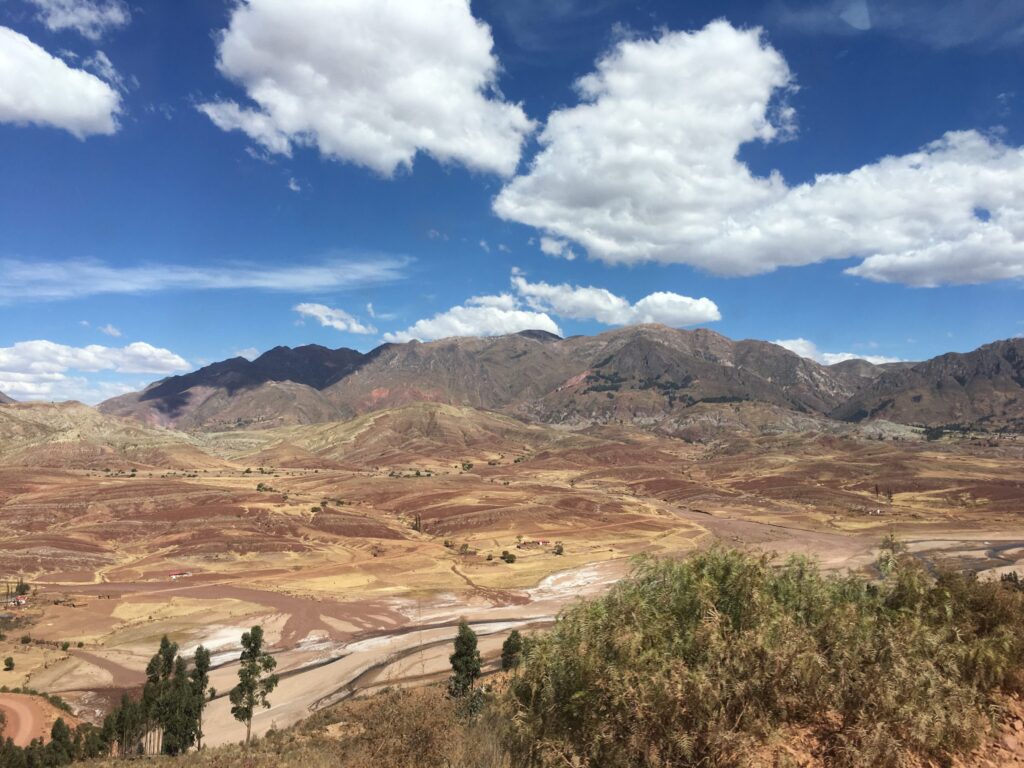
Based on their shared geologic history, one would expect the topography of the Andes mountains to be relatively consistent from one end to the other. But reality defies expectation: the 8,000-kilometer long mountain belt spectacularly widens and narrows (varying from 300 to 900 km in width) as it winds from north to south along the… Continue Reading Study Explores How Tectonic Forces Shape The Andes