
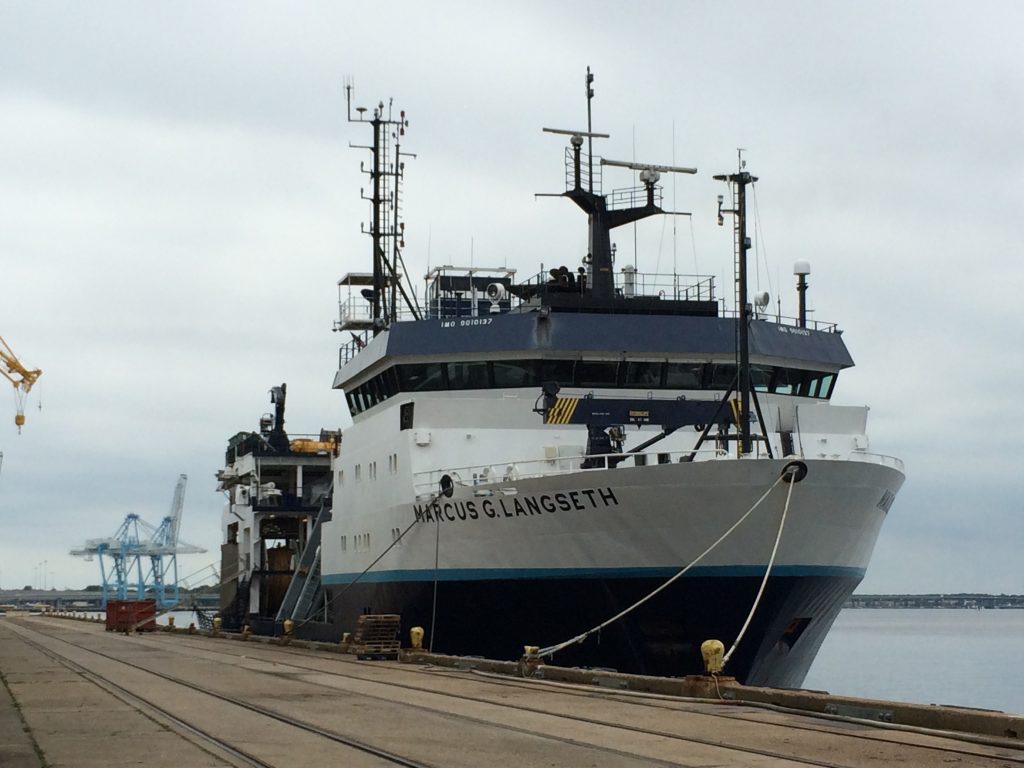
The Triassic Period ended when a gargantuan amount of molten igneous rock called the Central Atlantic Magmatic Province (CAMP) spewed out of the Earth’s mantle and into the Earth’s crust beneath what is now the eastern Appalachian foothills. Millions of years later, the supercontinent Pangea began to rip open, with the east coast of what… Continue Reading The Complicated New Origins of Pangea’s Big Breakup
How Activity in Earth’s Mantle Led the Ancient Ancestors of Elephants, Giraffes, and Humans into Asia and Africa
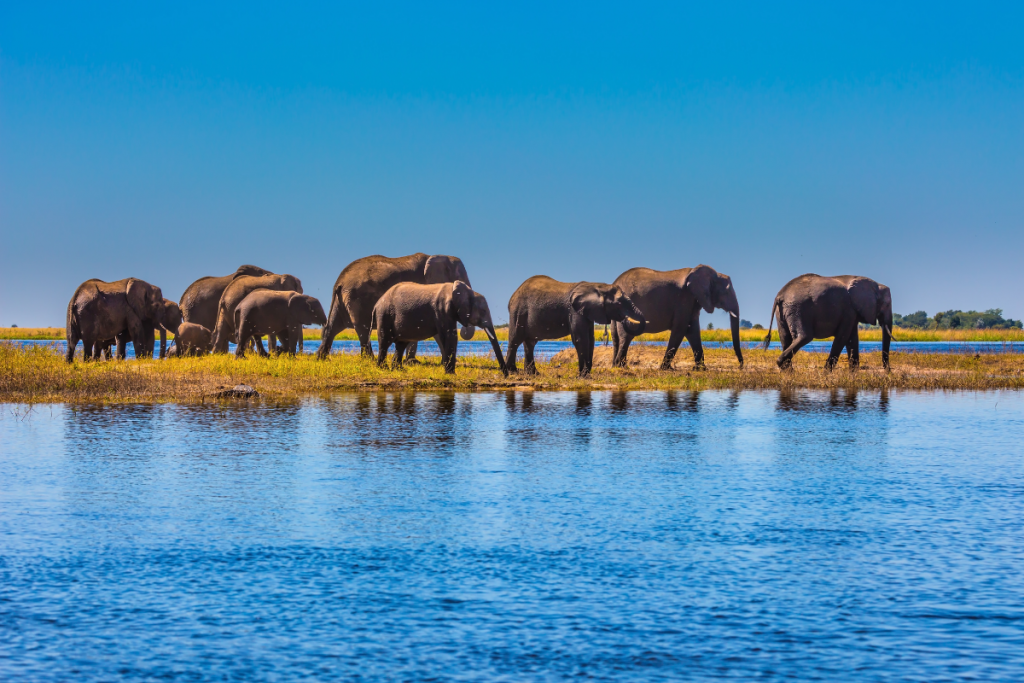
What roils beneath the Earth’s surface may feel a world away, but the activity can help forge land masses that dictate ocean circulation, climate patterns, and even animal activity and evolution. In fact, scientists believe that a plume of hot rocks that burst from the Earth’s mantle millions of years ago could be an important… Continue Reading How Activity in Earth’s Mantle Led the Ancient Ancestors of Elephants, Giraffes, and Humans into Asia and Africa
North America is Dripping from Below, Geoscientists Discover
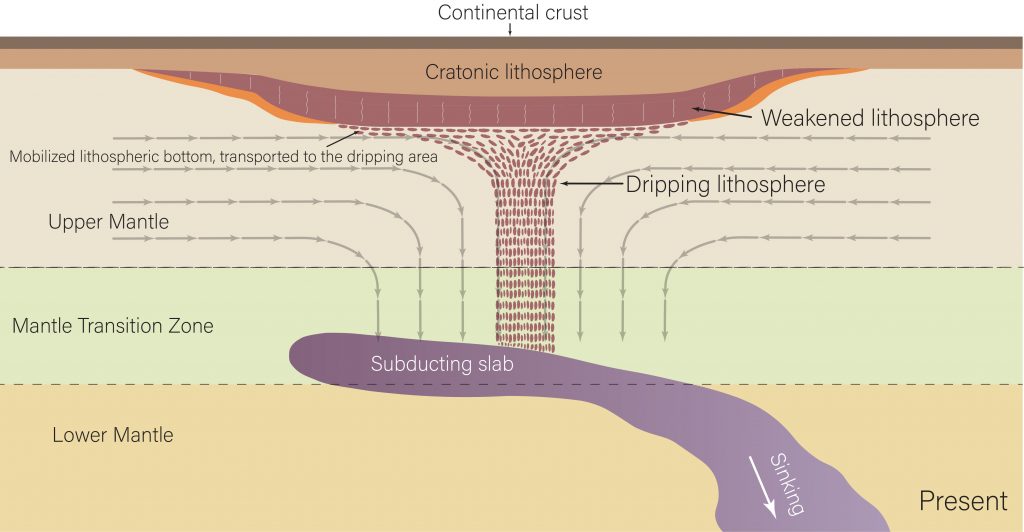
Researchers have discovered that the underside of the North American continent is dripping away in blobs of rock — and that the remnants of a tectonic plate sinking in the Earth’s mantle may be the reason why. A paper published in Nature Geoscience describes the phenomenon, which was discovered at The University of Texas at… Continue Reading North America is Dripping from Below, Geoscientists Discover
Scientists Detect Molten Rock Layer Hidden Under Earth’s Tectonic Plates
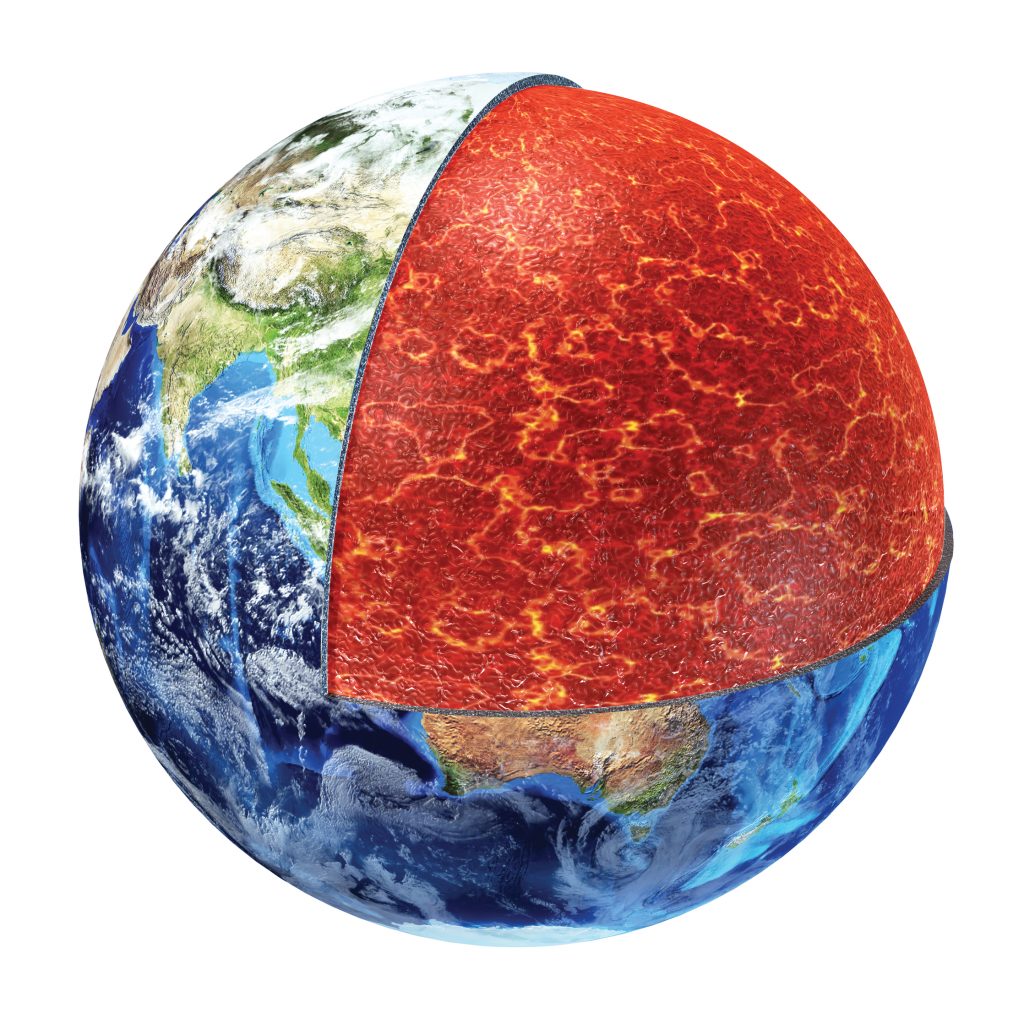
Scientists have discovered a new layer of partly molten rock under the Earth’s crust that might help settle a long-standing debate about how tectonic plates move. Researchers had previously identified patches of melt at a similar depth. But a new study led by The University of Texas at Austin revealed for the first time the… Continue Reading Scientists Detect Molten Rock Layer Hidden Under Earth’s Tectonic Plates
UT Graduate Student Research Solves Plate Tectonics Mystery
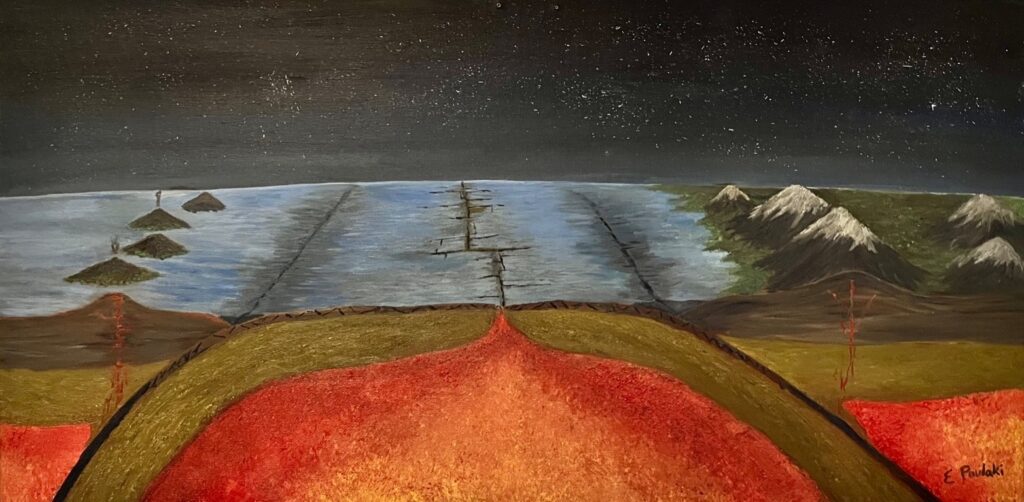
The longstanding enigma of how tectonic plates can break Earth’s rock-hard shell may have been solved by a recent graduate student at The University of Texas at Austin who caught the Earth in the act of starting a new tectonic conveyor belt off the coast of New Zealand. The world’s tectonic conveyor belts – called… Continue Reading UT Graduate Student Research Solves Plate Tectonics Mystery